Deciphering Agile's Core Principles in Sectors Other Than Software
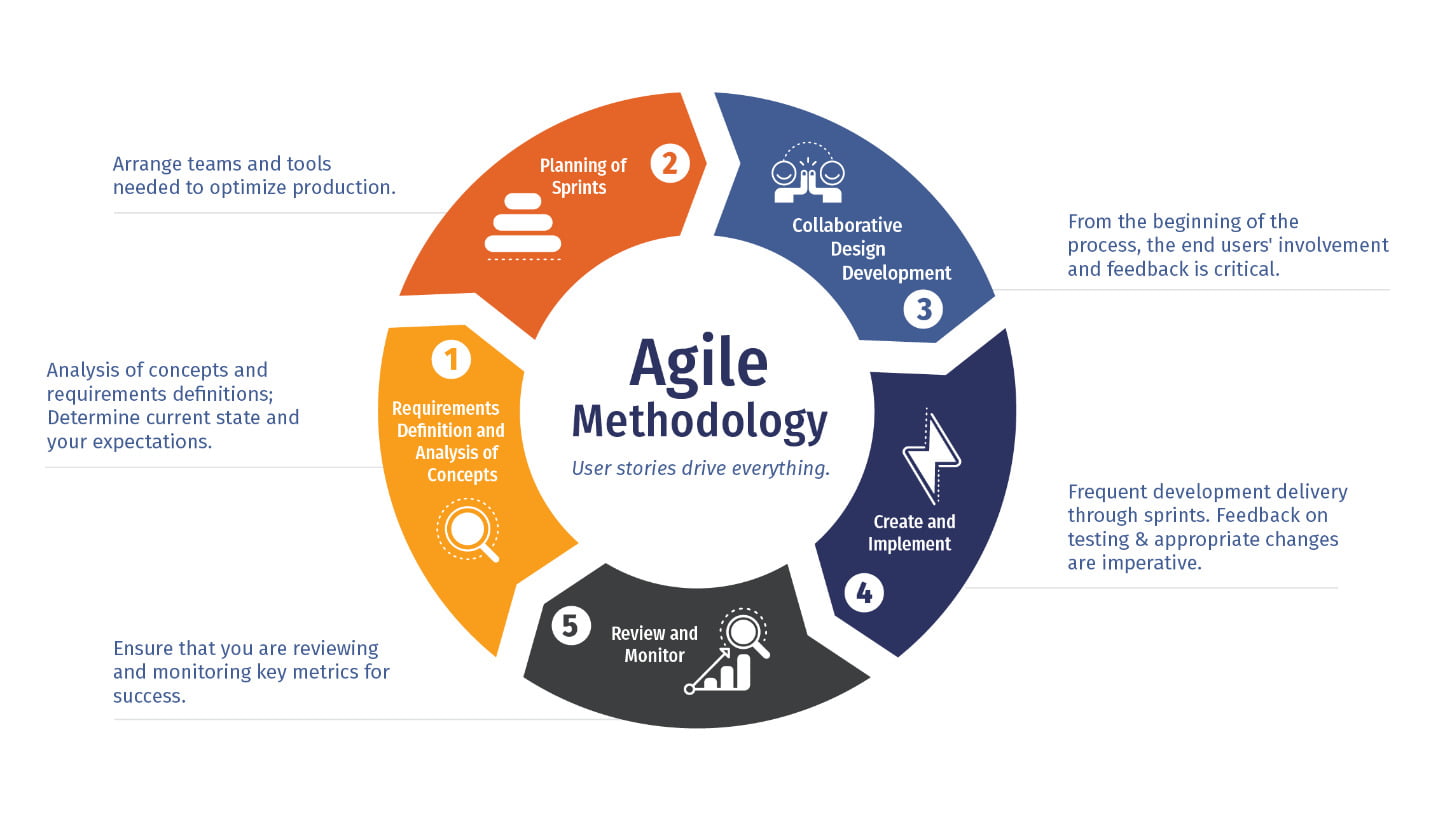
Software development was the original intended audience for the Agile Manifesto and its guiding principles, which formed the basis of agile methodology. Any process or project can benefit from the guiding principles of flexibility, teamwork, and customer-centricity. Adopting an Agile attitude may transform the way work is done in any industry. This includes healthcare, human resources, manufacturing, and marketing.
Implementing Agile Principles: Eliminating Barriers
The elimination of functional silos and the promotion of cross-functional collaboration are essential principles of the Agile methodology. Dismantling silos is the result in settings where software is not the primary focus. Picture a world where the marketing and sales departments work hand in hand, or where human resources and finance are more closely integrated. More effective and efficient results are the result of adhering to agile principles, which promote common objectives, constant communication, and the capacity to adjust to changing requirements.
Scrum Outside of Software Development: Using Iterative Cycles to Structure Work
Scrum may be best known as an Agile methodology for software development, but its iterative nature makes it useful in many other fields as well. Teams can work on projects in smaller, more manageable chunks with Scrum-like cycles in place, which promotes flexibility and allows for frequent priority re-evaluation. Marketing initiatives, event preparation, and other such dynamic, non-linear processes benefit greatly from this.
Maximizing Productivity Using Kanban in the Manufacturing Sector
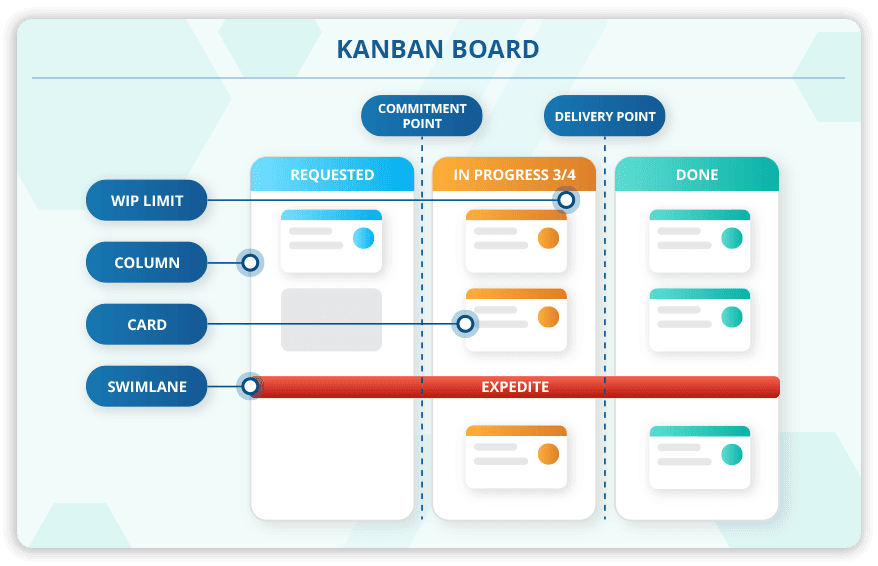
Kanban boards work well in factories and other industrial settings. You can improve efficiency by a lot by visualizing the workflow, restricting the task in progress, and making sure materials and information flow well. To improve production flow and reduce waste, Kanban uses a pull mechanism that directs resources to where they are most required.
Streamlining Talent Management Using Agile HR Practices
A new take on talent management is available through the adoption of Agile concepts, which are changing the HR landscape. Agile methodology can be applied to human resources by forming interdisciplinary teams, evaluating priorities on a frequent basis, and adjusting to the evolving demands of both people and the company. Redesigning training programs, employee engagement, and performance evaluations through iterative processes is possible.
Successful Agile Marketing Campaigns: Embracing Change
The marketing industry moves at a breakneck rate, therefore being able to adapt quickly is an absolute must. Agile marketing practices include iterative planning, responsiveness to market feedback, and ongoing teamwork. More effective campaigns can be produced when marketing teams use Agile concepts to become more sensitive to market developments and customer input.
Enhancing Patient Care through Healthcare Agility
Agile is being used by the healthcare industry to improve patient care and simplify processes. Healthcare teams may better prioritize work, respond to evolving patient demands, and increase overall efficiency by utilizing agile approaches. New medical protocols or better administrative processes are two examples of project management endeavors that can also benefit from Agile principles.

Non-Software Use of Agile Methods
Leveraging tools that support Agile processes is a common part of adopting Agile in non-software organizations. You can tailor platforms like Jira, Trello, or Asana to meet the specific requirements of different sectors. Agile projects benefit greatly from these tools since they allow for visual management, collaboration, and real-time communication.
Obstacles and Things to Think About
The advantages of Agile in contexts other than software development are enormous, but certain obstacles must be identified and overcome. Common challenges include reluctance to adapt, changes in culture, and the requirement for sufficient training. A more seamless shift to an Agile mentality is also possible if these obstacles are recognized and aggressively addressed.
Agile Methodologies are Applicable to all Sectors
Agile approaches are starting to make a mark outside of the software development sector. This proves that the ideas and practices that started there are applicable everywhere. Organizations across all sectors can benefit from more collaboration, better responses to change, and more project and initiative success when they adopt an agile mindset. Hence, Agile isn't just a movement in the software industry. It's a powerful movement with the potential to alter the way we operate in many other fields as well.
Whether you're a startup seeking hands-on support or an individual eager to accelerate your career journey, Join Momentum equips you with the tools and knowledge to thrive. Don't miss out!